

The Ehrenhain is a park on Kirchenlamitzer Straße, flanked by a row of historic barns.
Show transcript
The Ehrenhain is a park on Kirchenlamitzer Straße, flanked by a row of historic barns. At the centre of the park stands the war memorial. It was erected in honour of the soldiers who fell in both World Wars. It is made of local granite and depicts the monumental figure of a warrior – a Roland figure. The Roland figure also serves as a symbol of freedom. The Weißenstadt sculptor Christian Neuper created the war memorial, which was dedicated on 2 October 1928. The plinth of the Roland figure shows the years in which each of the wars ended, 1918 and 1945, with the Weißenstadt coat of arms in the middle. The memorial is 4.20 m high and weighs around 150 hundredweight. After 1945 the site was enlarged and the park around the memorial was laid out as the Ehrenhain, a memorial grove. To this day, a solemn wreath-laying ceremony is held every year on the National Day of Mourning (Volkstrauertag) in remembrance of those who fell in the two World Wars. The Ehrenhain with its war memorial is listed as a historic monument by the Bavarian State Office for Monument Protection.
At the centre of the park stands the war memorial. It was erected in honour of the soldiers who fell in both World Wars, is made of local granite and depicts the monumental figure of a warrior, a Roland figure. The Roland figure also serves as a symbol of freedom.
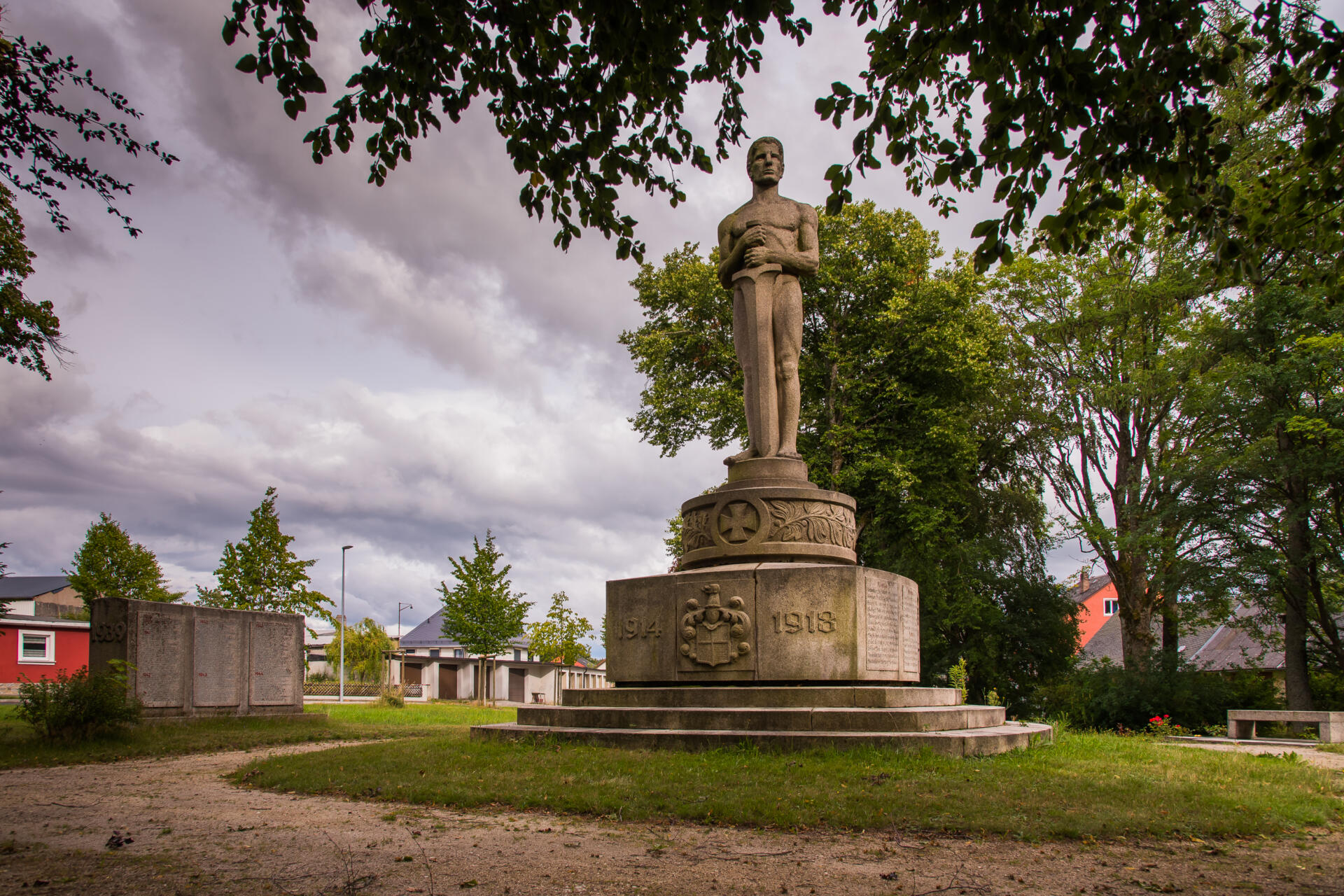
The Weißenstadt sculptor Christian Neuper created the war memorial, which was dedicated on 2 October 1928. The plinth of the Roland figure shows the year in which each war ended, 1918 and 1945, with the Weißenstadt coat of arms in the middle. The memorial is 4.20 metres high and weighs approximately 150 hundredweight.
After 1945 the site was enlarged and the park around the memorial was laid out as the ‘Ehrenhain’ (memorial grove). To this day, a solemn wreath-laying ceremony is held every year on the National Day of Mourning (Volkstrauertag) in remembrance of those who fell in the two World Wars.
The Ehrenhain with its war memorial is listed as a historic monument by the Bavarian State Office for Monument Protection.
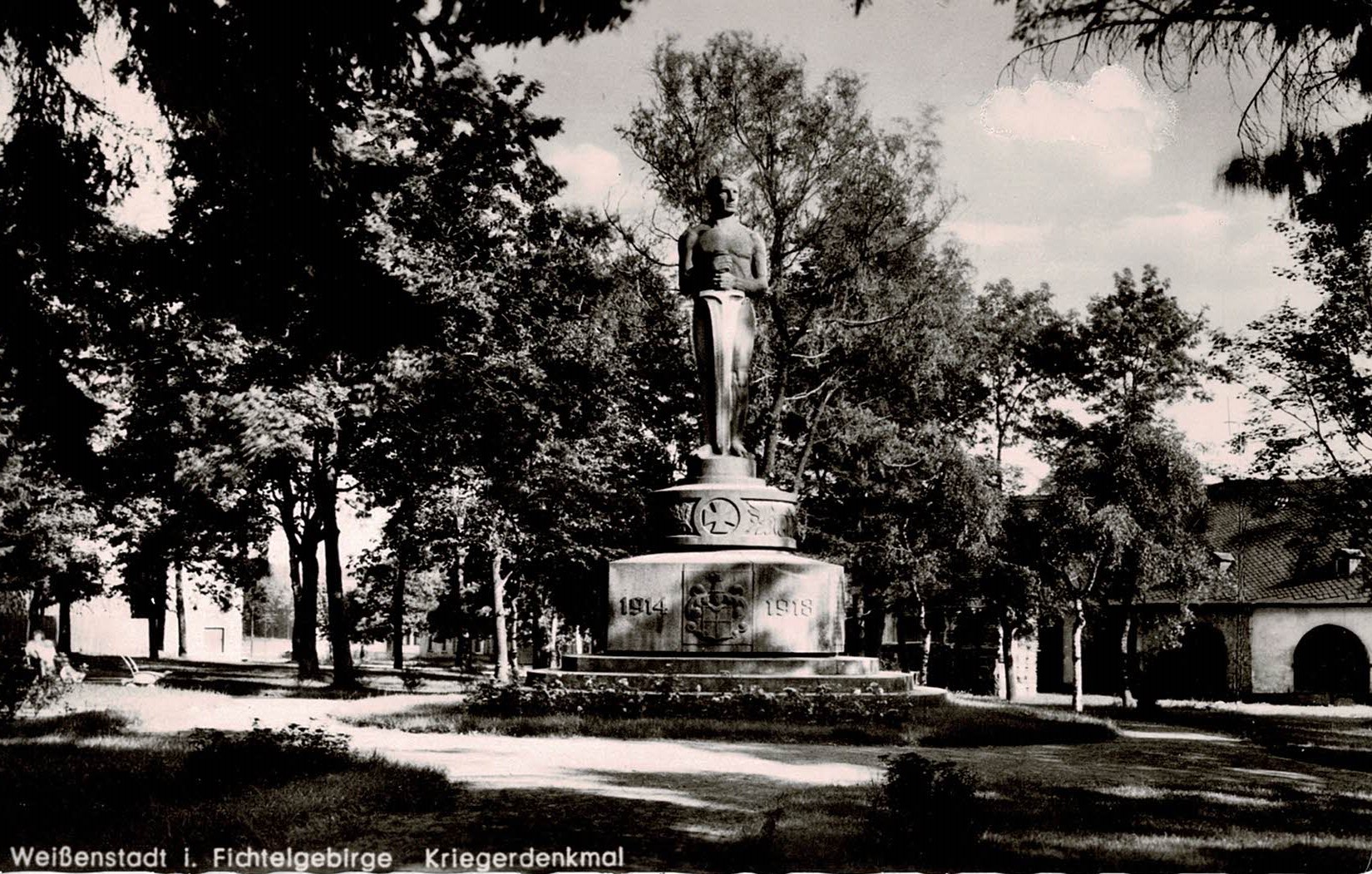


Christian Neuper was born in Weißenstadt. After training at the Erhardt Ackermann stone-polishing works and spending time abroad in various countries, he returned to the Fichtel Mountains and worked as an artistic sculptor.
Location
You are currently viewing a placeholder content from OpenStreetMap. To access the actual content, click the button below. Please note that doing so will share data with third-party providers.
More Information