


Catholic Church of St Mary Immaculate
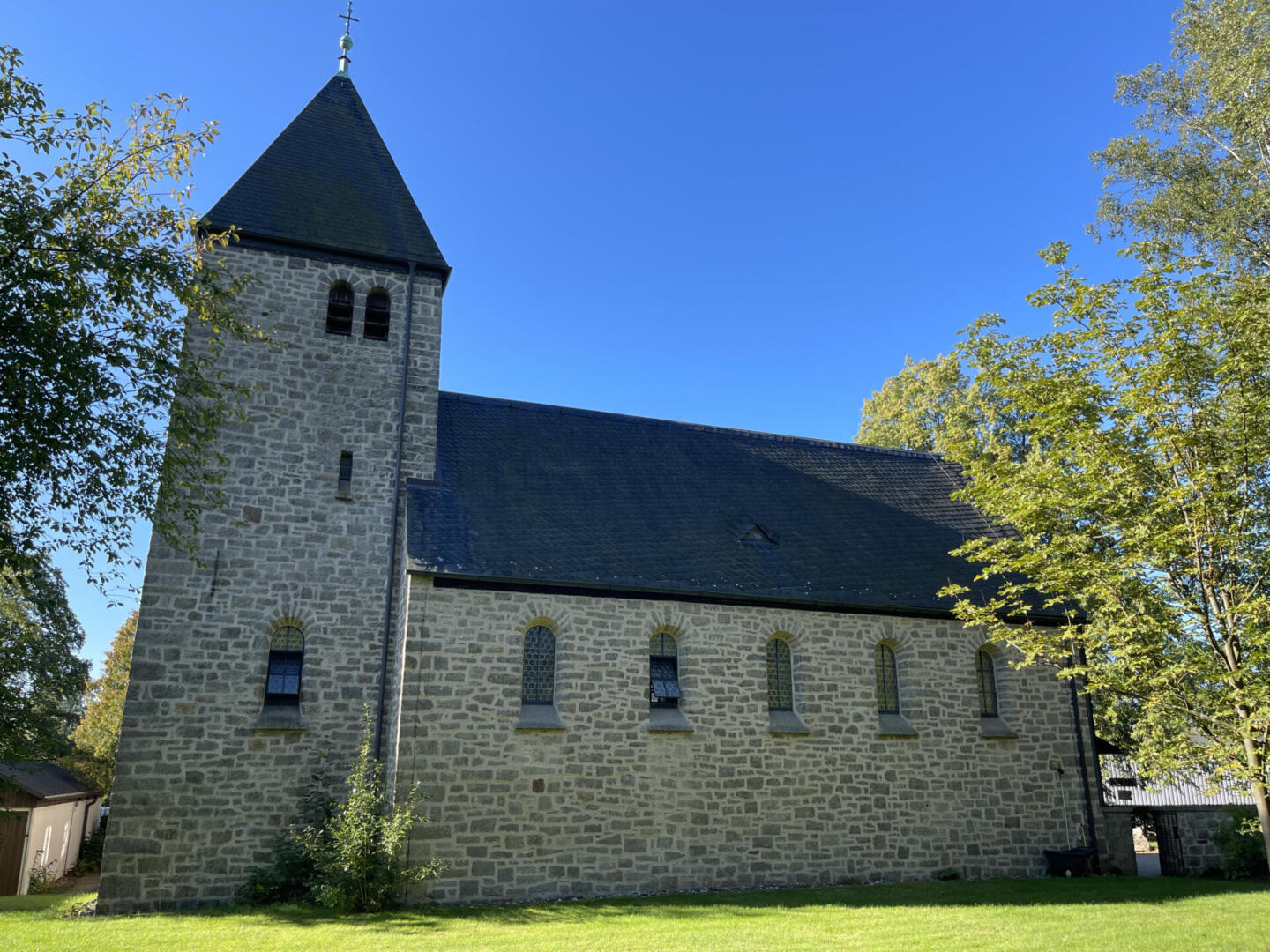
The first Catholic faithful came to Weißenstadt around the turn of the 20th century. The Catholic church was built in 1936.
Show transcript
The first Catholic faithful came to Weißenstadt around the turn of the 20th century. The Catholic church was built in 1936. From the middle of the 19th century, the gradual extension of the railway line from Regensburg to Hof brought great economic growth to the Fichtel Mountains. The weaving mills, the glassworks, the quarrying and working of granite and the porcelain industry led in many places to an unprecedented economic boom in the region. Rapid industrialisation soon caused a shortage of labour, which was offset by people moving in from the Upper Palatinate and other regions. The newly arrived workforce was largely Catholic, which made it necessary to found congregations and build prayer rooms. The parish of Wunsiedel, too, had to respond to the changed situation in order to meet the pastoral needs in Marktleuthen, Kirchenlamitz, Röslau and Weißenstadt. At first a prayer room was set up in Marktleuthen. But for the Catholics of Weißenstadt, the walk of more than 13 km was long and arduous. At the request of the parish priest at the time, the Italian-born master builder Emil Peruzzi set up a prayer room in 1912 in his newly built house on Egger Straße / Badstraße. Back then, the priest from Marktleuthen held a Catholic service here every two to three weeks. When the Weißenstadt church of St Mary Immaculate was completed in 1936, the prayer room was closed and completely converted by the Peruzzi family for private use. When the prayer room in Weißenstadt became too small for the number of Catholics, the then parish priest of Weißenstadt, Georg Eckfuß, decided to build a church. The foundation stone was laid on 26 October 1935, and as early as 30 August 1936 Archbishop Dr Michael Buchberger of Regensburg consecrated the Marienkirche (St Mary’s Church). It was also he who placed the church under the patronage of Mary Immaculate (Mary conceived without original sin). Pastoral care continued to be provided by the priests from Marktleuthen. In 1951 Weißenstadt became an expositure, in 1977 a parish curacy, and on 8 December 2001, the day of the Solemnity of the Immaculate Conception, it was raised to the status of a parish. Today the parish of Weißenstadt is once again looked after from the parish of Marktleuthen. The Marienkirche was designed in the Neo-Romanesque style by the Munich architect Georg Berlinger, who conceived the building as a choir-tower church. The presbytery is built into the ground floor of the tower. Adjoining it, the nave was added to house the pews. This style is modelled on the way village churches were built in the early Middle Ages. The entire Catholic church was built of granite, in keeping with the natural stone of the Fichtel Mountains. The church is over 20 metres long and 9 metres wide. The massive-looking tower reaches a height of 22 metres. Built onto the side of the church is the sexton’s house, which contains the sacristy and the living quarters. After the church was built, three bells hung in the tower. During the Second World War the two larger ones had to be handed over to be melted down; the smallest, known as the St Joseph bell, survived. On the Feast of Christ the King in 1964, the two lost bells were replaced. They bear the names Mary bell and Boniface bell. The new parish house was inaugurated in 1964. In 1970 the Marienkirche at last received its long-awaited organ.
From the middle of the 19th century, the gradual extension of the railway line from Regensburg to Hof brought great economic growth to the Fichtel Mountains. The weaving mills, the glassworks, the quarrying and working of granite and the porcelain industry led in many places to an unprecedented economic boom in the region. Rapid industrialisation soon caused a shortage of labour, which was offset by people moving in from the Upper Palatinate and other regions. The newly arrived workforce was largely Catholic, which made it necessary to found congregations and build prayer halls. The parish of Wunsiedel, too, had to respond to the changed situation in order to meet the pastoral needs in Marktleuthen, Kirchenlamitz, Röslau and Weißenstadt.
The Prayer Hall in Weißenstadt
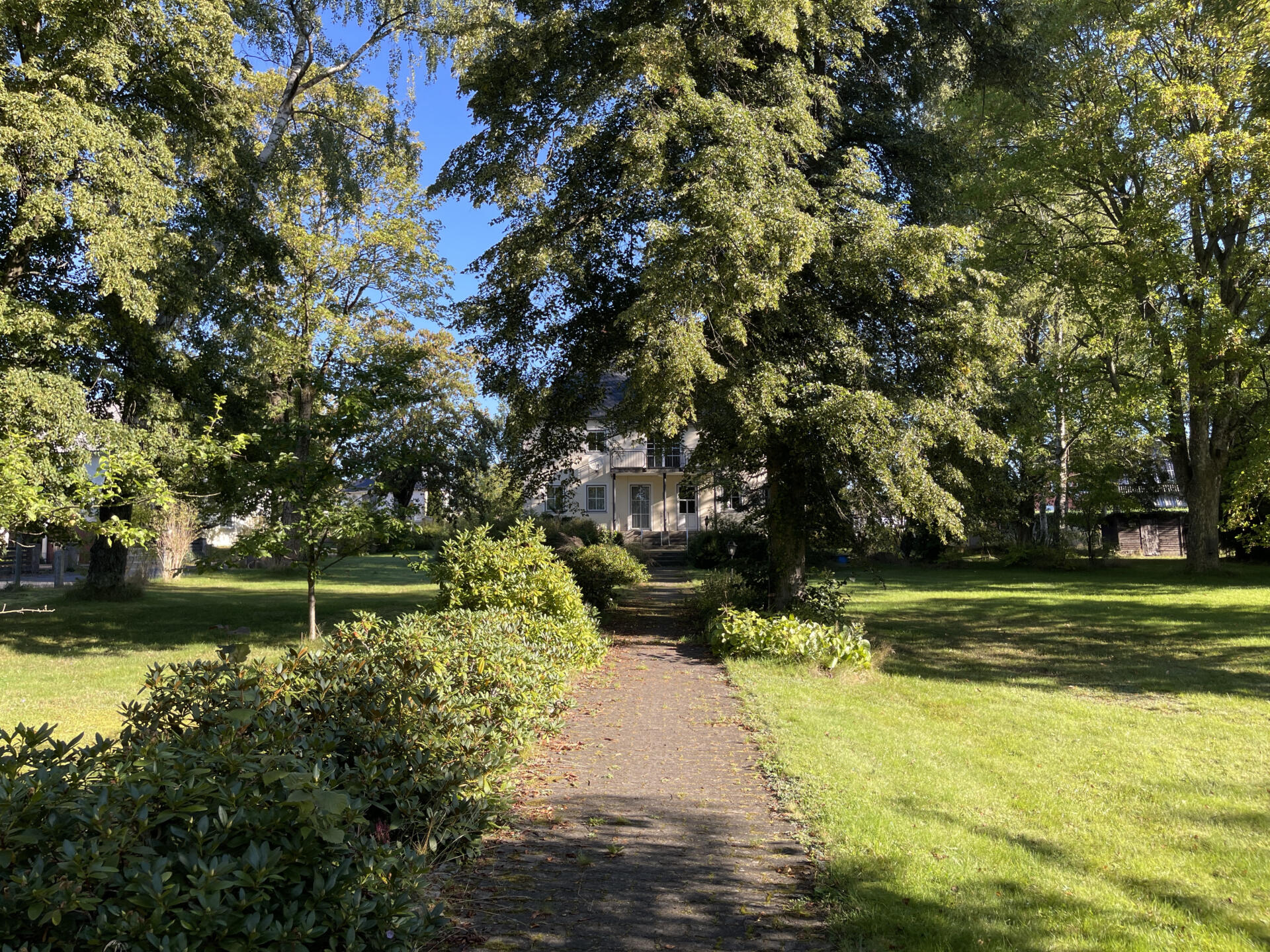
At first a prayer hall was built in Marktleuthen. But for the Catholics of Weißenstadt, the walk of more than 13 km was long and arduous. At the request of the parish priest at the time, the Italian-born master builder Emil Peruzzi set up a prayer hall in 1912 in his newly built house on the corner of Gartenstraße and Badstraße. Back then, the priest from Marktleuthen held a Catholic service here every 2 to 3 weeks.
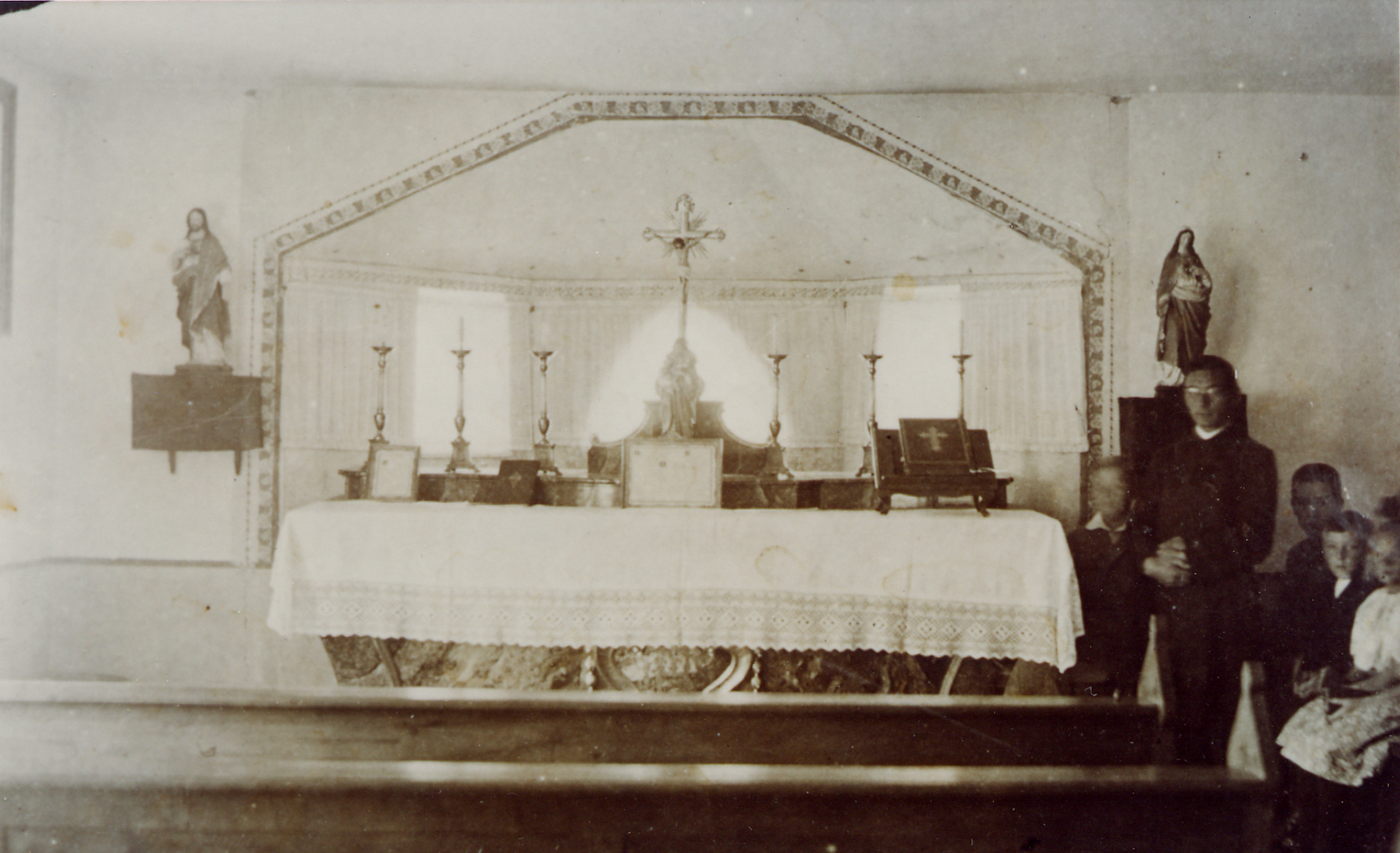
When the Weißenstadt church of St Mary Immaculate was completed in 1936, the prayer hall was closed and completely converted by the Peruzzi family for private use.
Building the Catholic Church in Weißenstadt
When the prayer hall in Weißenstadt became too small for the number of Catholics gathering for the Eucharist, the then parish priest of Marktleuthen, Georg Fuß, decided to build a church. The foundation stone was laid on 20 October 1935, and as early as 30 August 1936 Archbishop Dr Michael Buchberger of Regensburg consecrated the Marienkirche (St Mary’s Church) according to the rite of the Roman Catholic Church. It was also he who placed the church under the patronage of ‘Maria Immaculata’ (Mary, conceived without original sin). Pastoral care continued to be provided by the priests from Marktleuthen. In 1951 Weißenstadt became an expositure, in 1977 a parish curacy, and on 8 December 2001, the day of the Solemnity of the Immaculate Conception, it was raised to the status of a parish. Today the parish of Weißenstadt is once again looked after from the parish of Marktleuthen.
The Architecture of the Catholic Church
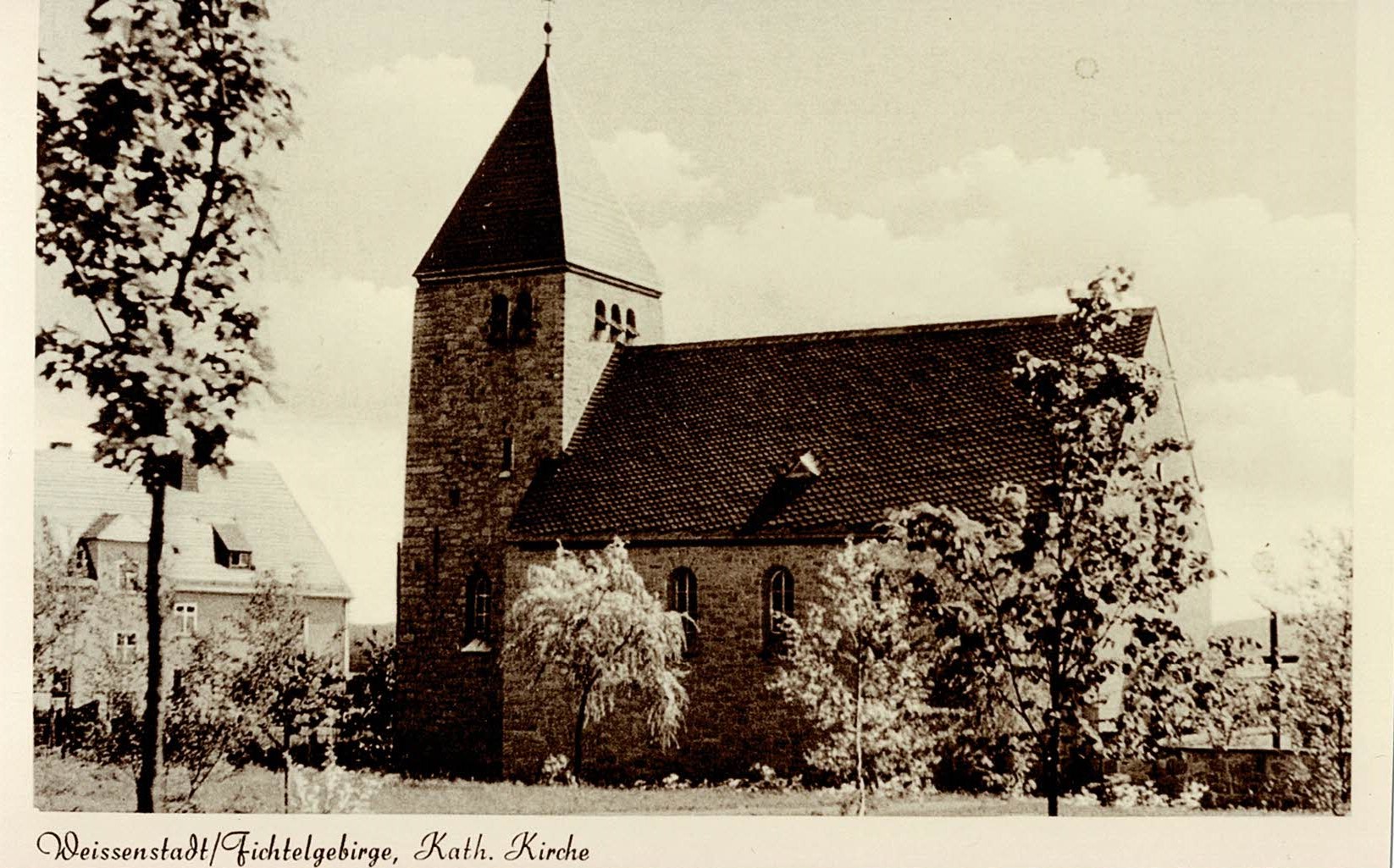
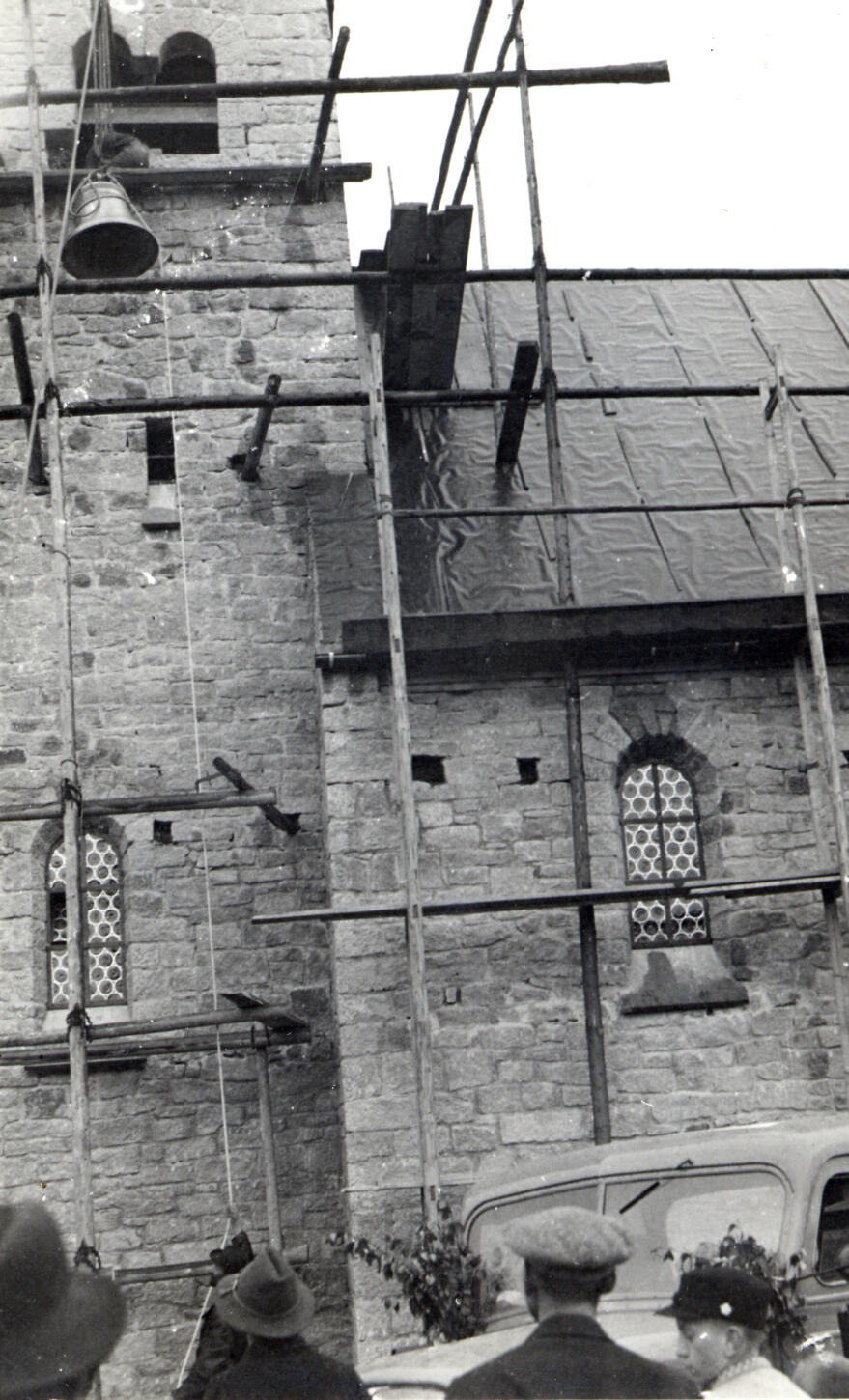
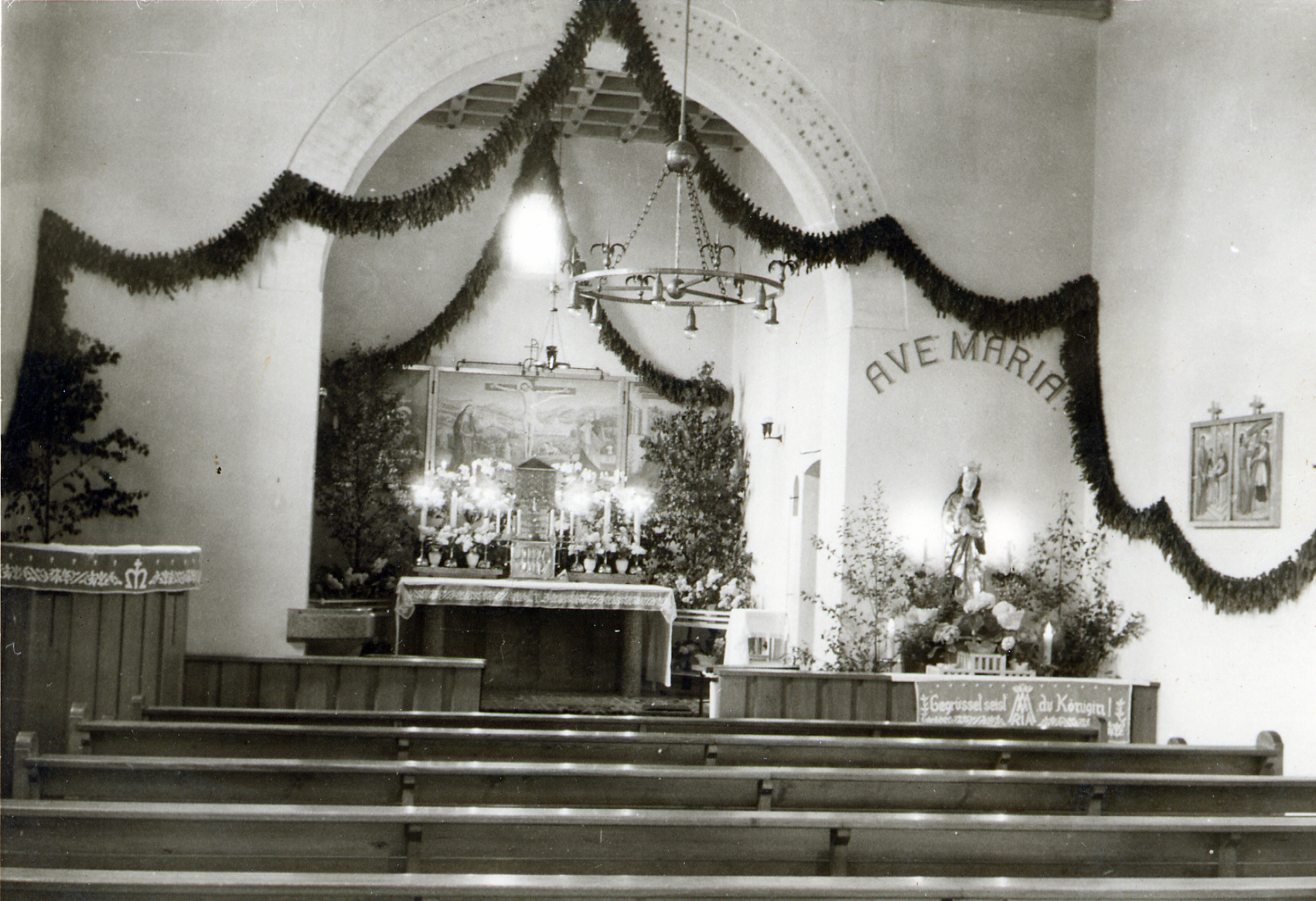
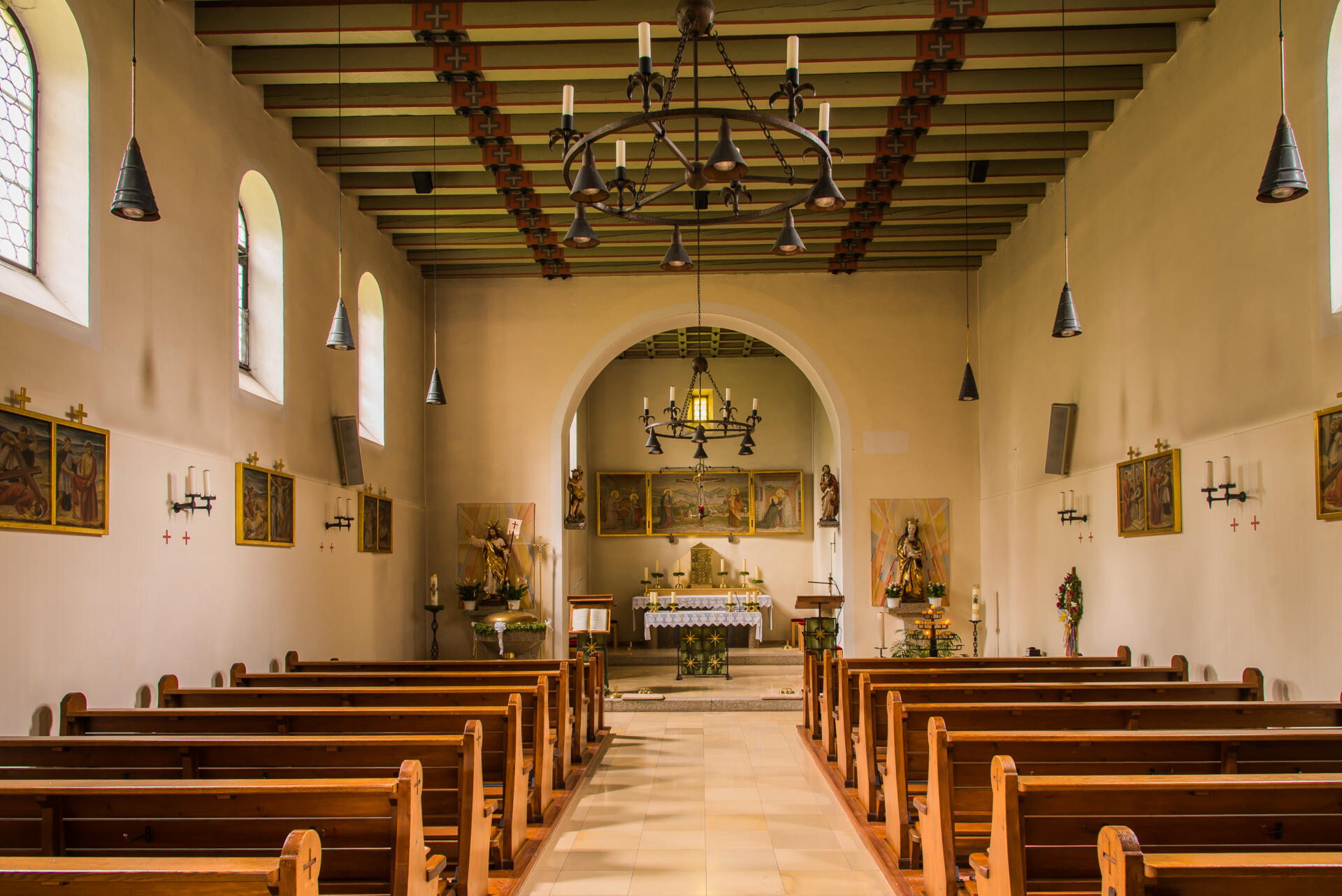
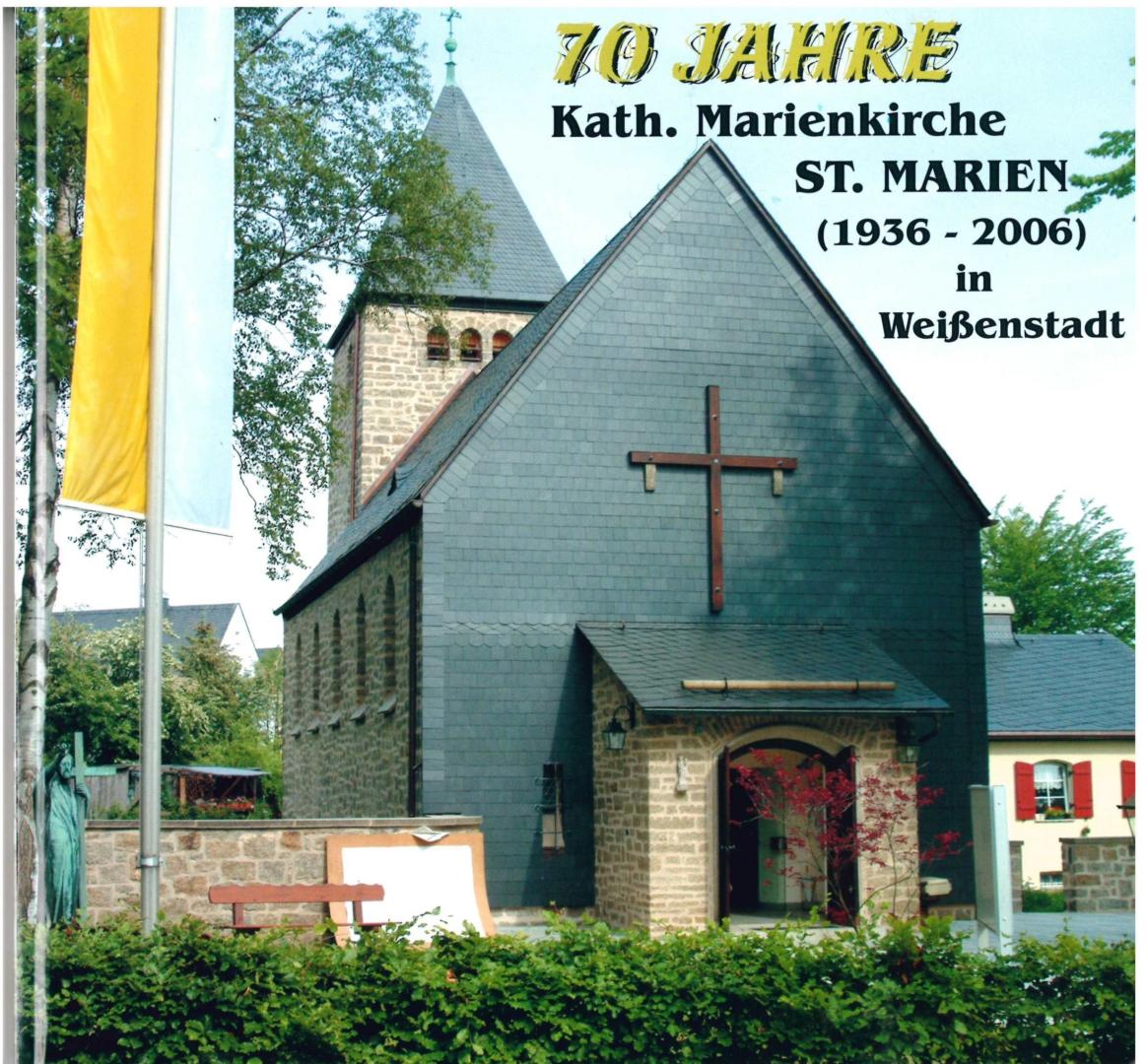
The Marienkirche was designed in the Neo-Romanesque style by the Munich architect Georg Berlinger, who conceived the building as a choir-tower church. The presbytery is built into the ground floor of the tower. Adjoining it, the nave was added to house the pews. This style is modelled on the way village churches were built in the early Middle Ages.
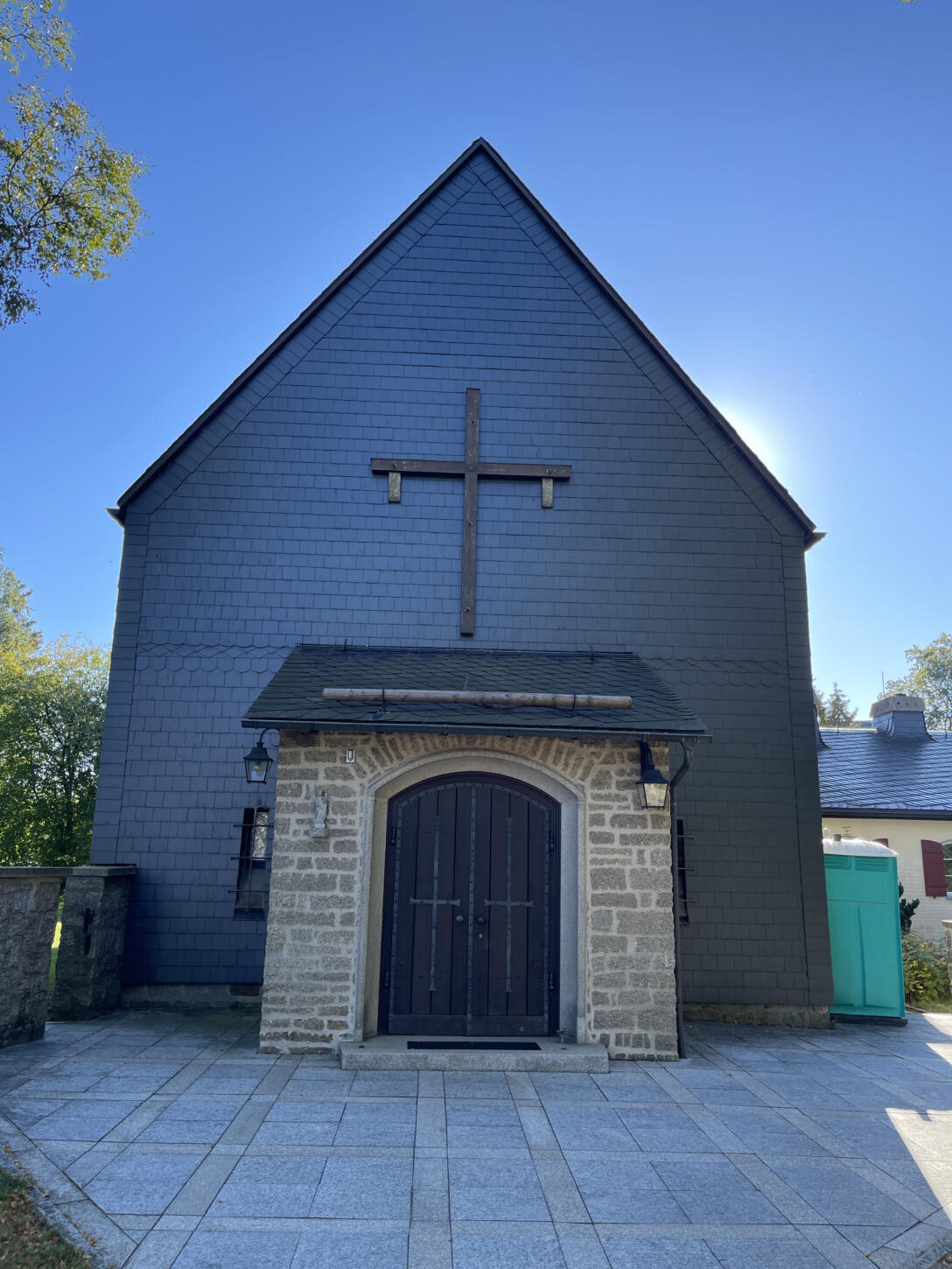
The entire Catholic church was built of granite blocks, in keeping with the natural stone of the Fichtel Mountains. The church is over 20 m long and 9 m wide. The massive-looking tower reaches a height of 22 m.
Built onto the side of the church is the sexton’s house, which contains the sacristy and living quarters.
The Bells
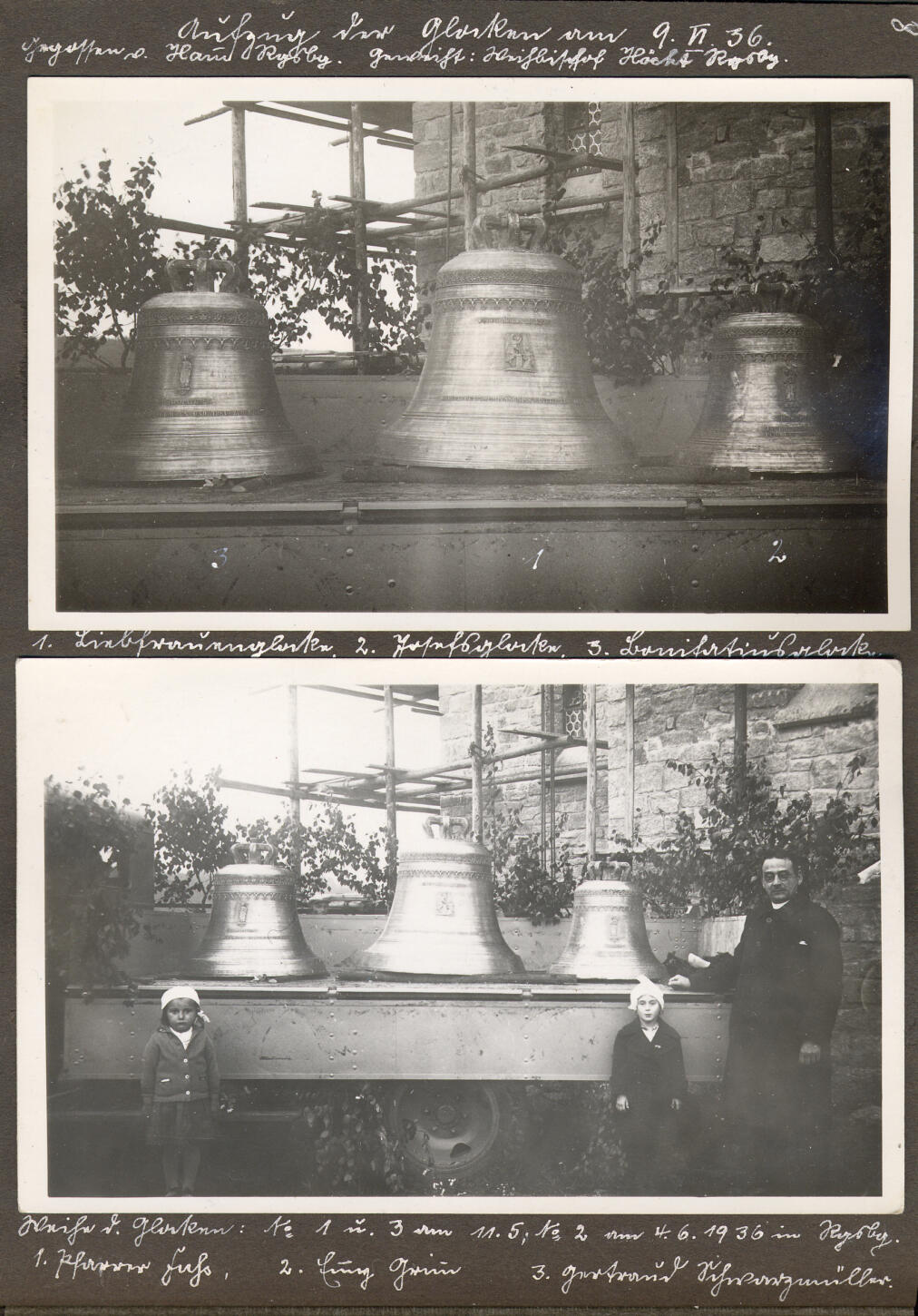
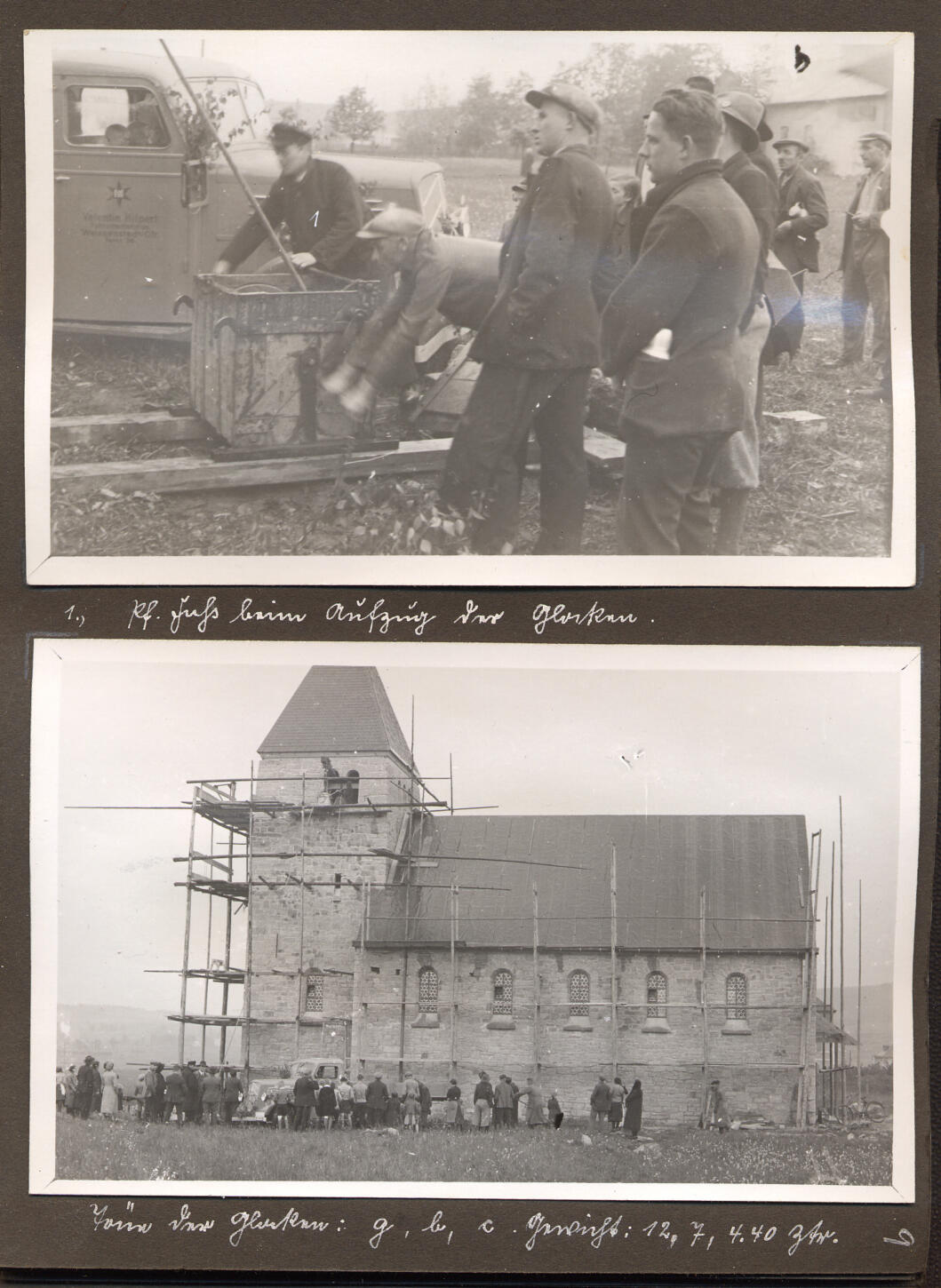
After the church was built, three bells hung in the tower. During the Second World War the two larger ones had to be handed over to be melted down; the smallest, known as the St Joseph bell, survived. On the Feast of Christ the King in 1964, the two lost bells were replaced. They bear the names Mary bell and Boniface bell.
Photo: Catholic parish office archive
The new parish house was inaugurated in 1964. In 1970 the Marienkirche at last received its long-awaited organ.
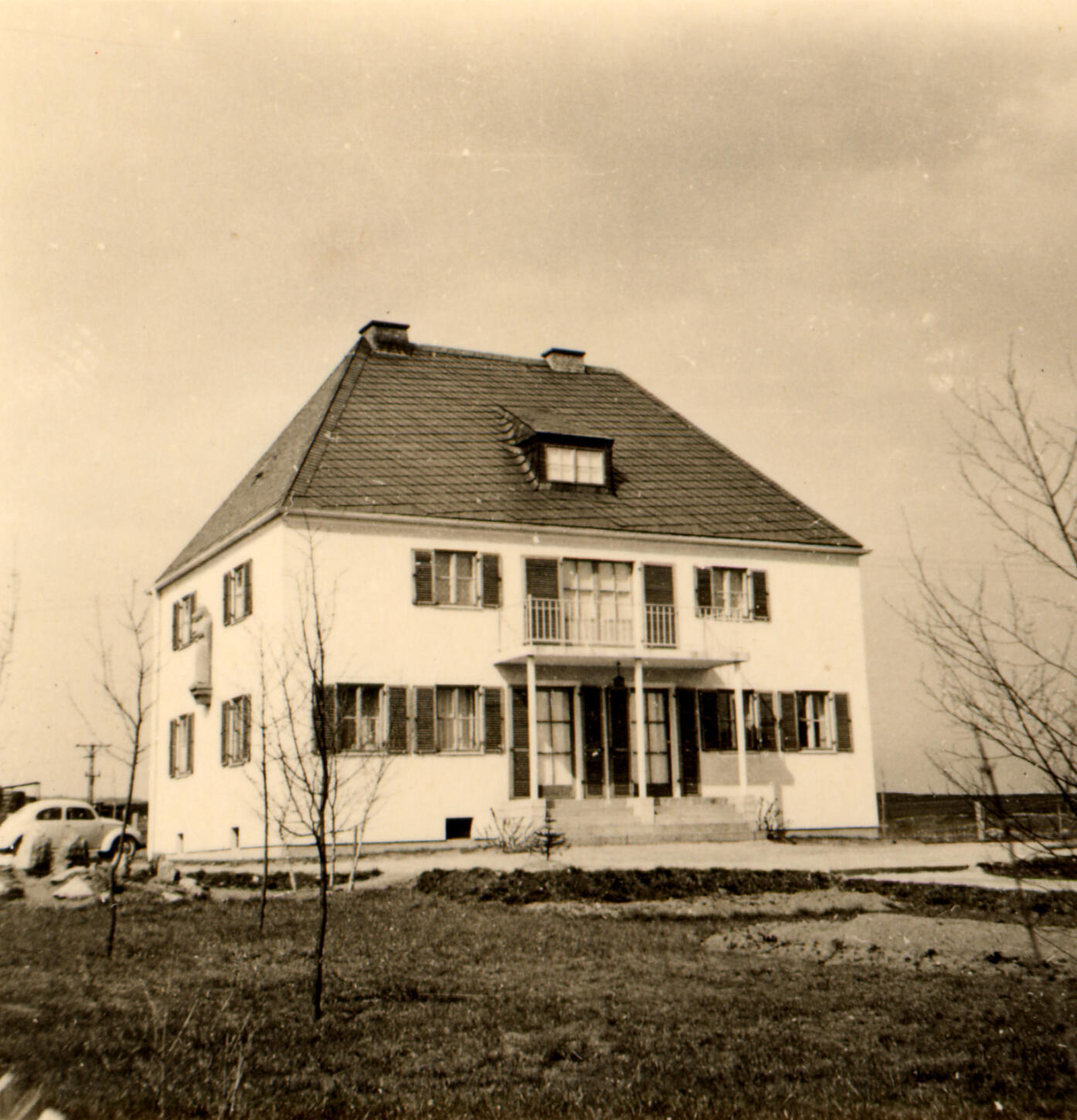
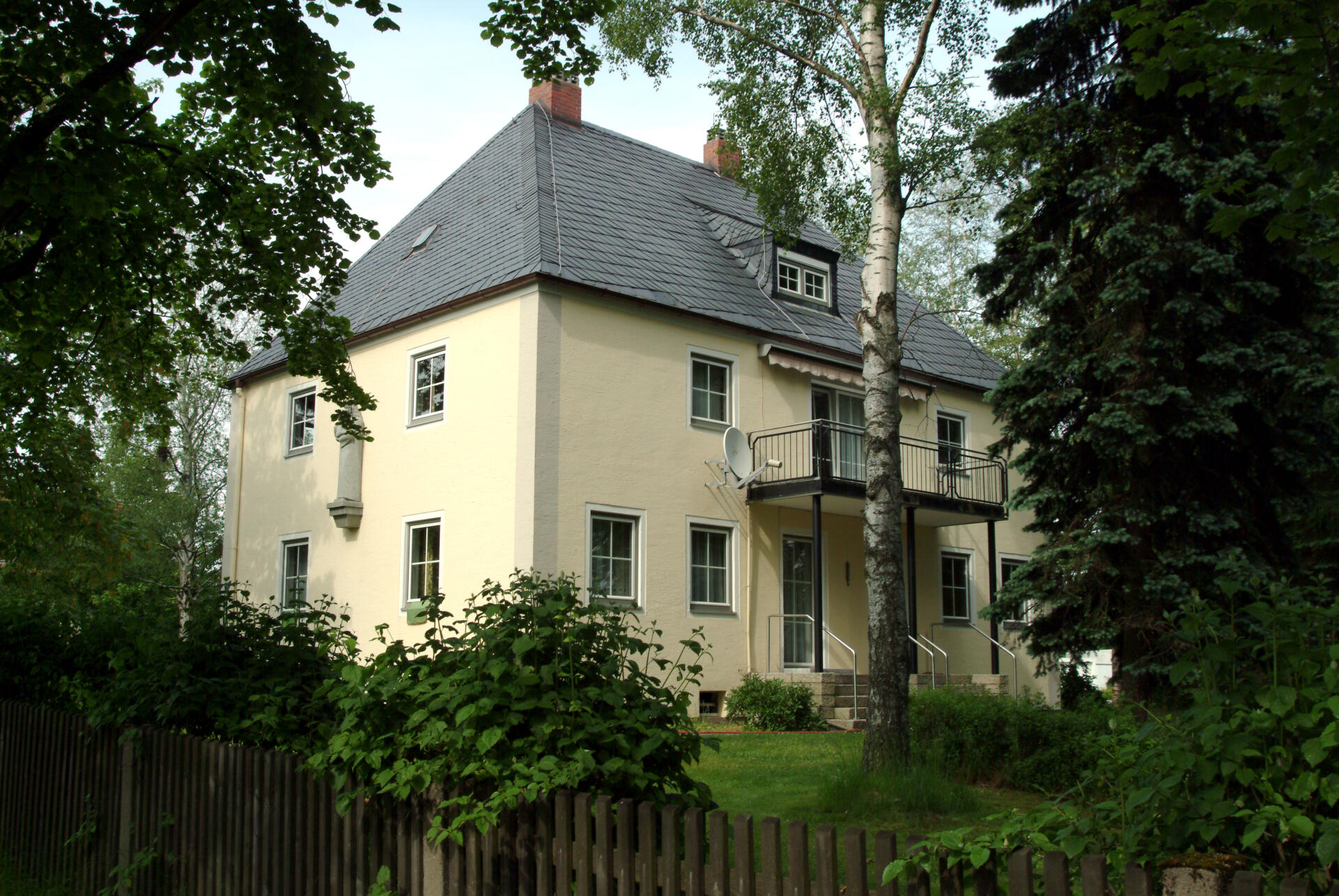
Texts taken from the church guide Die Kirchen der Pfarreiengemeinschaft Marktleuthen (The Churches of the Marktleuthen Parish Community) by Father Oliver Pollinger. The complete church guide can be viewed at www.pfarrei-marktleuthen.de.
Services at the Catholic Church
Marienkirche: Sundays at 9 am & 6 pm, alternating
Contact
- Catholic Parish Office
Goethestraße 1
Tel.: 09253 258
Parish priest Andrzej Gromadzki
Marktleuthen
weissenstadt@bistum-regensburg.de
https://www.pfarrei-marktleuthen.de - Katholischer Frauenbund
Annemarie Beck
Tel.: 09253 1771

More Information about the Church of St Mary Immaculate
You can find more detailed information about the Catholic church in the commemorative booklet, which is available from the Tourist Information office.
Location
You are currently viewing a placeholder content from OpenStreetMap. To access the actual content, click the button below. Please note that doing so will share data with third-party providers.
More Information